
Brain Science & Training
How your brain and memory work, the myths and facts, and what brain training, games and memory techniques can really do.

Memory enhancement techniques for older adults
Have you ever walked into a room and forgotten why you went in there? Or struggled to recall someone's name, even though you know you've met them before? Don't worry, you're not alone. As we age, it's common for our memory to become less reliable.

Latest insights on benefits of brain training
The concept of neural rewiring also known as neural plasticity is not new, but it has recently gained renewed attention in the field of neuroscience as a fascinating aspect of the human brain and behavior. Neural plasticity suggests that the brain can generate new brain cells through a process called "neurogenesis." We also have the potential to develop "brain resilience" and combat memory loss over a lifetime, which may offer some resistance to neurodegenerative diseases like dementia.
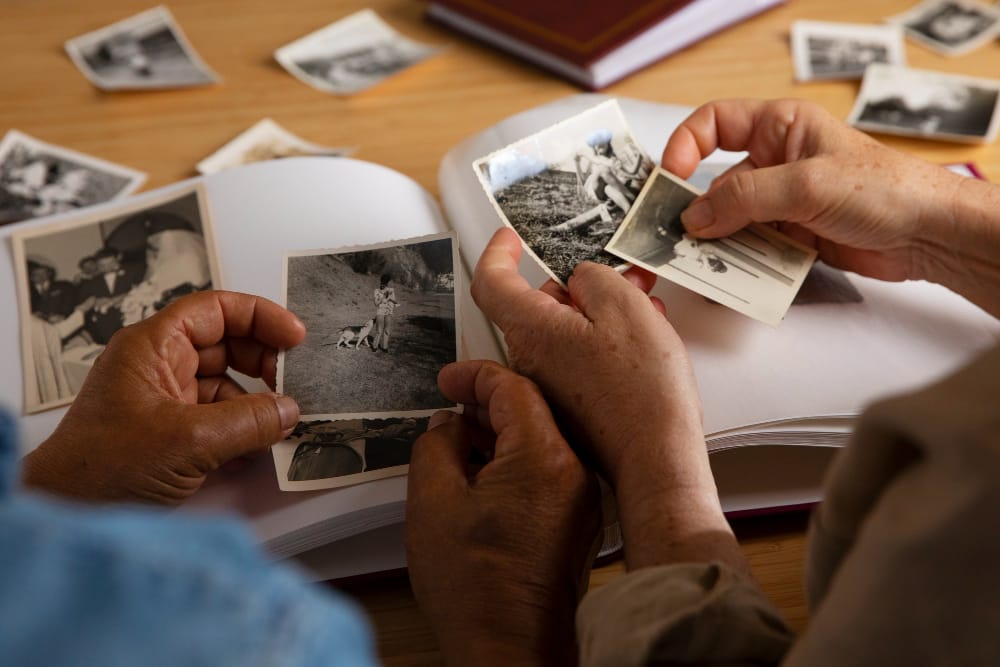
Eidetic and Photographic Memory: Extraordinary ways our Brain remembers
We’ve all had those moments when we impress ourselves—maybe by vividly recalling a place we visited years ago or remembering every detail of a family gathering. But what if you could hold on to everything you see in perfect detail? That’s what eidetic memory and photographic memory are all about.
Can Brain Training Really Work?
Brain training has become a buzzword, promising to boost intelligence and memory. But does it work? The answer is: it can, but it depends and we can tell you how! But what is brain training? Brain training is a mental exercise designed to improve cognitive abilities.

Brain Health and Lifespan: A vital connection
Medically Reviewed by: Khushal Girigosavi, a peer reviewer at the Cureus Journal with numerous research papers to his name, maintains high standards in medical research. Have you ever wondered how long you will live? It's a question that may have crossed your mind from time to time.

Are you Left-Brained or Right-Brained?
Here's a simple yet intriguing visual puzzle that might give you insight into which side of your brain is more dominant. The key is to focus on what you see first and how you interpret the image.